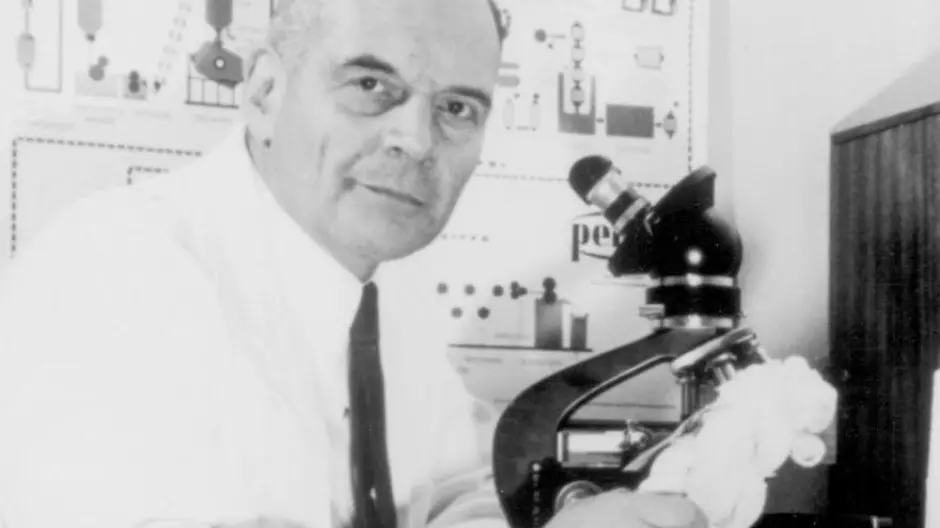
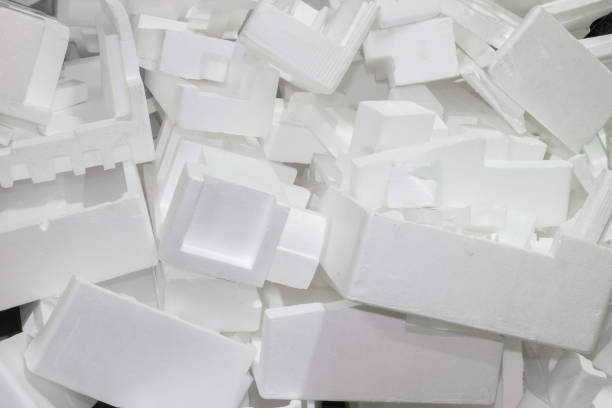
The first form of polystyrene was created in 1930 by a German chemist named Otto Röhm. He used styrene, a liquid produced during oil refining, to create a solid polymer. However, the material was not yet usable due to its fragility. It wasn't until a decade later that Belgian chemist Paul Schlack succeeded in stabilizing polystyrene using divinylbenzene as a bonding agent. This innovation created a material that was solid, resistant and easy to work with. In the years that followed, polystyrene was used in a number of applications, including packaging, where it became popular for its light weight and ability to protect products during transport. It was also used as a thermal and acoustic insulation material, thanks to its excellent insulating properties. Over time, scientists have continued to improve the properties of this material, notably by modifying its composition to make it more resistant, or by adding additives to give it additional properties, such as flammability or UV resistance. Polystyrene offers a number of advantages for transport: Today, polystyrene is an incredibly versatile material, used in many different fields, and continues to evolve to meet the changing needs of industry. Find out more about polystyrene : https://www.knauf.fr/guides-isolation-amenagement/polystyrene-expanse-pse Find out more about our packaging : https://europackwine.fr/nos-emballage-de-vin-en-pse/Polystyrene is a material widely used in many fields, from packaging to thermal and acoustic insulation. However, few people know how this material was discovered and developed.
How was Polystyrene created?
 English
  Français
  Español
  Italiano
  Deutsch